

WHO Declares Global Health Emergency Over Ebola Outbreak in Congo and Uganda
World 07:09 PM - 2026-05-20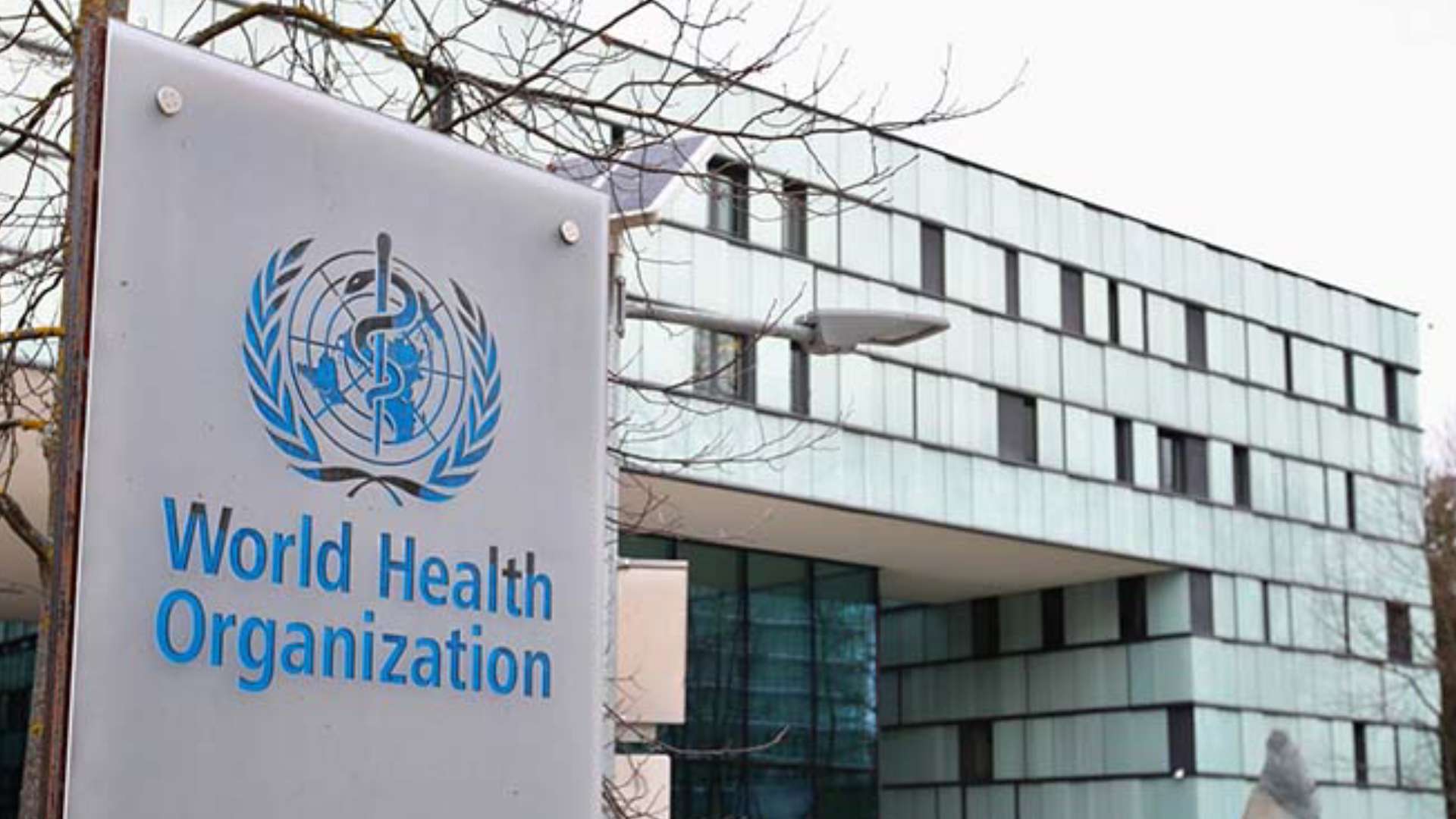 WHO
WHO
WHO logo.
The World Health Organization (WHO) declared a Public Health Emergency of International Concern (PHEIC) in response to the Ebola outbreak in the Democratic Republic of the Congo and Uganda during a press briefing at its headquarters in Geneva.
WHO Director-General Tedros Adhanom Ghebreyesus stated that this marks the first occasion on which a PHEIC has been declared over an outbreak affecting these two countries, in accordance with Article 12 of the WHO Constitution.
Dr Tedros stressed that the declaration of a PHEIC does not automatically signify a global epidemic or pandemic. He explained that, while the current level of risk is considered high regionally and internationally, the global risk remains comparatively low.
The Director-General confirmed that 61 Ebola cases have been recorded in the DRC, primarily in the regions of Ituri and Kivu, as well as the cities of Bunia and Goma.
According to health specialists from University of Oxford interviewed by The Independent, the principal centre of the outbreak is Ituri province in eastern Democratic Republic of the Congo, an area affected by ongoing armed conflict that has complicated efforts to contain the virus.
Ghebreyesus added that the threat extends beyond the confirmed cases, with around 600 suspected infections reported across both the Democratic Republic of the Congo and Uganda.
Dr Tedros warned that these figures are likely to increase due to the prolonged period during which the disease went undetected and unreported.
The WHO also voiced concern over the possibility of the outbreak spreading to urban centres and crossing international borders. Cases have already been identified in Kampala among people who had travelled from Congo, while an American citizen was transferred to Germany for treatment.
The situation has been worsened by severe security and humanitarian challenges, particularly in Ituri province, where armed conflict has displaced thousands of people and created waves of refugees. The presence of landmines has further hindered the movement of medical personnel and humanitarian aid teams.
With no approved vaccine currently available to tackle the outbreak, authorities have acted swiftly to impose strict preventative measures. Dr Tedros commended the Ugandan government for postponing national holiday celebrations, which had been expected to attract nearly one million people, in an effort to reduce the risk of wider transmission.
He also announced that the WHO had allocated $9.5 million to support the emergency response, including the provision of laboratories, essential equipment and resources in affected areas.
Professor Lucy Blomberg, Chair of the Emergency Committee, stressed the importance of strengthening response measures and safeguarding families and refugees. She praised the transparency shown by the countries involved, along with the cooperation of laboratories and research institutions in delivering accurate reporting and addressing other simultaneous disease outbreaks.
Ebola virus disease is a rare but serious illness that primarily affects humans and is frequently fatal. The virus was first identified in 1976.
It spreads to humans through close contact with the blood, secretions or other bodily fluids of infected animals. Following infection, the incubation period — the interval between exposure and the onset of symptoms — ranges from two to 21 days.
Symptoms often emerge suddenly and may include fever, headaches, sore throat, vomiting, diarrhoea, abdominal pain and skin rashes, in addition to more advanced symptoms indicating kidney and liver impairment.
Healthcare workers face considerable difficulties in diagnosing Ebola at an early stage, as its initial symptoms closely resemble those of other infectious diseases commonly found in Africa, including malaria, typhoid fever, shigellosis and meningitis. This makes rapid intervention and precise laboratory testing essential to saving lives and containing the outbreak.
PUKMEDIA
More news
-
Navi Pillay Wins 2026 Nobel Peace Prize
01:53 PM - 2026-10-09 -
Shipping Traffic Through Strait of Hormuz Falls to Lowest Level in More Than Two Months
01:57 PM - 2026-10-08 -
Oil Prices Rise Above $102 as Middle East Supply Concerns Persist
09:45 AM - 2026-10-08 -
Iraqi Airways Carries More Than 271,000 Passengers in September
08:17 PM - 2026-10-07
see more


Sheikh Mahmud Hafid: A Legacy of Kurdish Nationalism
12:03 PM - 2026-10-09

Oil Prices Decline as US–Iran Talks Show Progress
09:25 AM - 2026-10-09

Iraqi Prime Minister: Borrowing Would Have Increased Iraq’s Debt Burden
09:05 PM - 2026-10-08

Iraqi Embassy Works to Identify 18 Bodies Recovered off Libya
05:56 PM - 2026-10-08
Most read
-
Iraqi Embassy Works to Identify 18 Bodies Recovered off Libya
Iraq 05:56 PM - 2026-10-08 -
Iraqi Prime Minister: Borrowing Would Have Increased Iraq’s Debt Burden
Iraq 09:05 PM - 2026-10-08 -
Oil Prices Decline as US–Iran Talks Show Progress
News 09:25 AM - 2026-10-09 -
Sheikh Mahmud Hafid: A Legacy of Kurdish Nationalism
Kurdistan 12:03 PM - 2026-10-09 -
Navi Pillay Wins 2026 Nobel Peace Prize
World 01:53 PM - 2026-10-09 -
Pentagon Plans to Livestream Nidal Hasan’s Execution in December
World 06:01 PM - 2026-10-09
The News in your pocket
Download
 Application