
Iraqi Parliament Preparing to Advance Oil and Gas Law Amid Push for Economic Stability
Economy 11:49 AM - 2026-05-19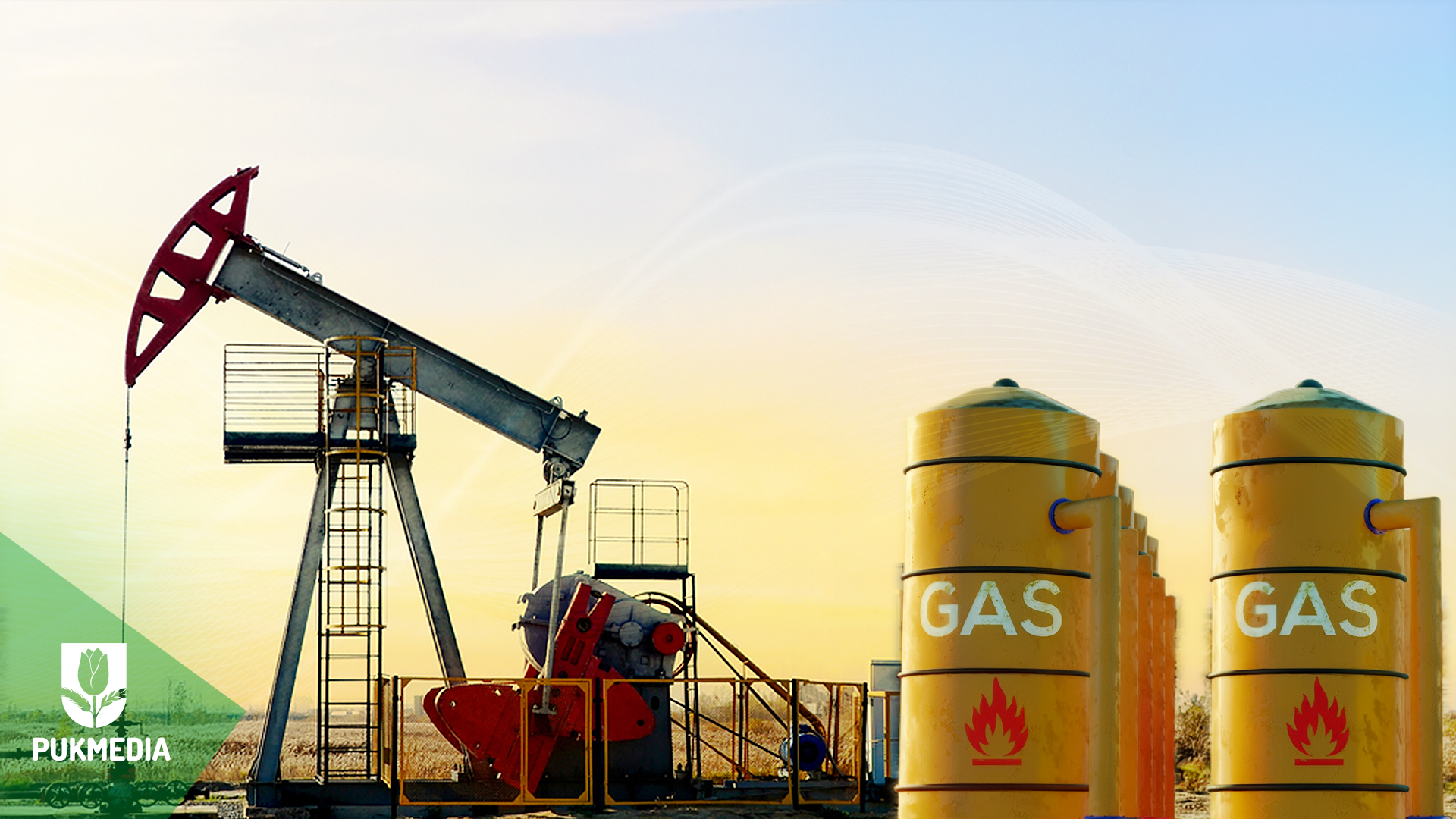 PUKMEDIA
Oil field and gas tankers.
The Iraqi Parliament is preparing to place the long-awaited Oil and Gas Law on its legislative agenda in the coming period, amid expectations of broad political consensus among most parliamentary blocs to pass the legislation.
The law is regarded as a key measure for regulating the oil sector, strengthening economic stability, and organising the management of Iraq’s national wealth.
At the same time, parliamentary sources revealed that official communications had been submitted to the Ministry of Oil urging the government to make full use of available opportunities to maintain the smooth flow of oil exports and increase state revenues in support of the national budget.
Adel al-Mahalawi, lawmaker of the Progress Bloc, told Al-Sabah newspaper that the Oil and Gas Law would soon be presented to Parliament following political agreement among the blocs to move forward with the legislation. He added that Prime Minister Ali al-Zaidi had expressed readiness to cooperate in finalising important legislation, particularly laws with economic and service-related significance.
Al-Mahalawi explained that several laws still face political and technical disagreements requiring broader national consensus, foremost among them the Oil and Gas Law. He said the legislation would grant provinces greater authority in managing their affairs while helping regulate relations between the federal government and oil-producing provinces.
The lawmaker also noted that the parliament intends to introduce a number of service and economic bills in coordination with the Prime Minister’s Office for debate during upcoming parliamentary sessions. He stressed that the Oil and Gas Law remains one of the most anticipated pieces of legislation among the Iraqi public because of its direct impact on the country’s economic system.
Al-Mahalawi reaffirmed Parliament’s strong support for al-Zaidi government and expressed hope that the new administration would be capable of addressing Iraq’s economic challenges. He also indicated that new candidates would soon be nominated for the remaining ministerial positions in order to secure parliamentary approval.
Meanwhile, Lawmaker Ola Awda al-Nashi revealed that she had submitted official correspondence to the Ministry of Oil concerning the need to exploit all available opportunities to safeguard Iraqi oil exports and maximise national revenues amid regional tensions in the Arabian Gulf.
Al-Nashi stated that developments in the Gulf and their impact on oil tanker movements had prompted parliamentary action. Speaking to Al-Sabah newspaper, she said the oil sector represents the “main artery” of Iraq’s economy, warning that any disruption to tanker traffic or export routes directly affects public revenues.
She explained that the parliamentary initiative aimed to monitor the measures adopted by the Ministry of Oil and the Iraqi State Organization for Marketing Oil (SOMO) regarding Iraqi tankers affected by the closure of the Strait of Hormuz.
According to al-Nashi, SOMO informed Parliament that 21 oil tankers carrying approximately 27.7 million barrels of crude oil had been stranded in the Arabian Gulf during the recent period, highlighting the significant impact of shipping disruptions on Iraqi exports.
She added that eight tankers had successfully completed loading and transit operations during March and April, transporting a combined total of nearly 9.8 million barrels of crude oil, while three additional tankers managed to pass through during the crisis carrying around 4.9 million barrels.
Al-Nashi stressed that these developments require swift and flexible management of Iraq’s export operations in order to prevent delays in shipments and maintain stable access to global markets. She emphasised that the issue should be treated as both an economic and sovereign priority directly linked to securing budget revenues and strengthening Iraq’s financial position.
The lawmaker also called on the Ministry of Oil to diversify export options and reduce dependence on routes vulnerable to disruption. She confirmed that Parliament would continue monitoring the steps taken by the Ministry of Oil and SOMO to protect Iraq’s oil exports and avoid losing opportunities that could strengthen national revenues and support the country’s economy.
PUKMEDIA
More news
-
Navi Pillay Wins 2026 Nobel Peace Prize
01:53 PM - 2026-10-09 -
Shipping Traffic Through Strait of Hormuz Falls to Lowest Level in More Than Two Months
01:57 PM - 2026-10-08 -
Oil Prices Rise Above $102 as Middle East Supply Concerns Persist
09:45 AM - 2026-10-08 -
Iraqi Airways Carries More Than 271,000 Passengers in September
08:17 PM - 2026-10-07
see more


Sheikh Mahmud Hafid: A Legacy of Kurdish Nationalism
12:03 PM - 2026-10-09

Oil Prices Decline as US–Iran Talks Show Progress
09:25 AM - 2026-10-09

Iraqi Prime Minister: Borrowing Would Have Increased Iraq’s Debt Burden
09:05 PM - 2026-10-08

Iraqi Embassy Works to Identify 18 Bodies Recovered off Libya
05:56 PM - 2026-10-08
Most read
-
Iraqi Embassy Works to Identify 18 Bodies Recovered off Libya
Iraq 05:56 PM - 2026-10-08 -
Iraqi Prime Minister: Borrowing Would Have Increased Iraq’s Debt Burden
Iraq 09:05 PM - 2026-10-08 -
Oil Prices Decline as US–Iran Talks Show Progress
News 09:25 AM - 2026-10-09 -
Sheikh Mahmud Hafid: A Legacy of Kurdish Nationalism
Kurdistan 12:03 PM - 2026-10-09 -
Navi Pillay Wins 2026 Nobel Peace Prize
World 01:53 PM - 2026-10-09 -
Pentagon Plans to Livestream Nidal Hasan’s Execution in December
World 06:01 PM - 2026-10-09
The News in your pocket
Download
 Application